Skip to content

Ex GCHQ employee risk to national security

Discussion
4 2 1.6k 1
  • wrote on last edited by
    #1

    Just seen this news article about a breach of security at GCHQ.

    https://news.sky.com/story/ex-gchq-employee-pleads-guilty-to-causing-risk-to-national-security-13339410

    Given this is GCHQ, the information taken was classified as “Top Secret” and in the wrong hands could cause the UK significant harm, you have to ask yourself about the level of “security” in place here.

    Surely, you’d have basic controls in place to prevent data leakage by at least locking down USB ports, and who on secondment has access to highly restricted areas??

    Crazy.

  • Just seen this news article about a breach of security at GCHQ.

    https://news.sky.com/story/ex-gchq-employee-pleads-guilty-to-causing-risk-to-national-security-13339410

    Given this is GCHQ, the information taken was classified as “Top Secret” and in the wrong hands could cause the UK significant harm, you have to ask yourself about the level of “security” in place here.

    Surely, you’d have basic controls in place to prevent data leakage by at least locking down USB ports, and who on secondment has access to highly restricted areas??

    Crazy.

    wrote on last edited by
    #2

    @phenomlab you would think they would have that security setup with strict policies. I mean even the hospital here as the usb ports locked down so you can’t use a usb drive or your phone to plug into the computer. Sometimes it makes me wonder if someone just forgot about that part or if there was something in that information they wanted leaked, which wouldn’t make sense if it puts people or a whole nation at risk.

  • @phenomlab you would think they would have that security setup with strict policies. I mean even the hospital here as the usb ports locked down so you can’t use a usb drive or your phone to plug into the computer. Sometimes it makes me wonder if someone just forgot about that part or if there was something in that information they wanted leaked, which wouldn’t make sense if it puts people or a whole nation at risk.

    wrote on last edited by phenomlab
    #3

    @Madchatthew Yes, it’s hard to fathom and makes zero sense. The firm I work at locks down USB ports meaning you can at least charge a device, but you can’t use it as a mechanism for mass storage. I can’t believe also that security is so lax that someone without adequate clearance can waltz into a restricted area and take what they want.

  • @Madchatthew Yes, it’s hard to fathom and makes zero sense. The firm I work at locks down USB ports meaning you can at least charge a device, but you can’t use it as a mechanism for mass storage. I can’t believe also that security is so lax that someone without adequate clearance can waltz into a restricted area and take what they want.

    wrote on last edited by
    #4

    @phenomlab said in Ex GCHQ employee risk to national security:

    I can’t believe also that security is so lax that someone without adequate clearance can waltz into a restricted area and take what they want.

    Yeah I can’t believe that either. It is crazy


Related Topics
  • Bad information security advice

    Security linkedin security advice
    1
    1
    1 Votes
    1 Posts
    792 Views
    No one has replied
  • 0 Votes
    4 Posts
    2k Views
    phenomlab
    @DownPW most of this really depends on your desired security model. In all cases with firewalls, less is always more, although it’s never as clear cut as that, and there are always bespoke ports you’ll need to open periodically. Heztner’s DDoS protection is superior, and I know they have invested a lot of time, effort, and money into making it extremely effective. However, if you consider that the largest ever DDoS attack hit Cloudflare at 71m rps (and they were able to deflect it), and each attack can last anywhere between 8-24 hours which really depends on how determined the attacker(s) is/are, you can never be fully prepared - nor can you trace it’s true origin. DDoS attacks by their nature (Distributed Denial of Service) are conducted by large numbers of devices whom have become part of a “bot army” - and in most cases, the owners of these devices are blissfully unaware that they have been attacked and are under command and control from a nefarious resource. Given that the attacks originate from multiple sources, this allows the real attacker to observe from a distance whilst concealing their own identity and origin in the process. If you consider the desired effect of DDoS, it is not an attempt to access ports that are typically closed, but to flood (and eventually overwhelm) the target (such as a website) with millions of requests per second in an attempt to force it offline. Victims of DDoS attacks are often financial services for example, with either extortion or financial gain being the primary objective - in other words, pay for the originator to stop the attack. It’s even possible to get DDoS as a service these days - with a credit card, a few clicks of a mouse and a target IP, you can have your own proxy campaign running in minutes which typically involves “booters” or “stressers” - see below for more https://heimdalsecurity.com/blog/ddos-as-a-service-attacks-what-are-they-and-how-do-they-work @DownPW said in Setting for high load and prevent DDoS (sysctl, iptables, crowdsec or other): in short if you have any advice to give to secure the best. It’s not just about DDos or firewalls. There are a number of vulnerabilities on all systems that if not patched, will expose that same system to exploit. One of my favourite online testers which does a lot more than most basic ones is below https://www.immuniweb.com/websec/ I’d start with the findings reported here and use that to branch outwards.
  • 4 Votes
    8 Posts
    5k Views
    WesleyMoura
    @phenomlab Sorry to delay in responding, yes as i mentioned above, i had to remove my redis from docker and reinstall a new image with this command docker run --name=redis -p 127.0.0.1:6379:6379 -d -t redis:alpine and now when i test my ip and port on https://www.yougetsignal.com/tools/open-ports/ the status of my redis port is closed. I think which to configure firewall in droplet digital ocean is a good idea too, and i will configure soon. Thanks for the help!
  • Securing javascript -> PHP mysql calls on Website

    Solved Security php mysql security
    2
    1 Votes
    2 Posts
    2k Views
    phenomlab
    @mike-jones Hi Mike, There are multiple answers to this, so I’m going to provide some of the most important ones here JS is a client side library, so you shouldn’t rely on it solely for validation. Any values collected by JS will need to be passed back to the PHP backend for processing, and will need to be fully sanitised first to ensure that your database is not exposed to SQL injection. In order to pass back those values into PHP, you’ll need to use something like <script> var myvalue = $('#id').val(); $(document).ready(function() { $.ajax({ type: "POST", url: "https://myserver/myfile.php?id=" + myvalue, success: function() { $("#targetdiv").load('myfile.php?id=myvalue #targetdiv', function() {}); }, //error: ajaxError }); return false; }); </script> Then collect that with PHP via a POST / GET request such as <?php $myvalue= $_GET['id']; echo "The value is " . $myvalue; ?> Of course, the above is a basic example, but is fully functional. Here, the risk level is low in the sense that you are not attempting to manipulate data, but simply request it. However, this in itself would still be vulnerable to SQL injection attack if the request is not sent as OOP (Object Orientated Programming). Here’s an example of how to get the data safely <?php function getid($theid) { global $db; $stmt = $db->prepare("SELECT *FROM data where id = ?"); $stmt->execute([$theid]); while ($result= $stmt->fetch(PDO::FETCH_ASSOC)){ $name = $result['name']; $address = $result['address']; $zip = $result['zip']; } return array( 'name' => $name, 'address' => $address, 'zip' => $zip ); } ?> Essentially, using the OOP method, we send placeholders rather than actual values. The job of the function is to check the request and automatically sanitise it to ensure we only return what is being asked for, and nothing else. This prevents typical injections such as “AND 1=1” which of course would land up returning everything which isn’t what you want at all for security reasons. When calling the function, you’d simply use <?php echo getid($myvalue); ?> @mike-jones said in Securing javascript -> PHP mysql calls on Website: i am pretty sure the user could just use the path to the php file and just type a web address into the search bar This is correct, although with no parameters, no data would be returned. You can actually prevent the PHP script from being called directly using something like <?php if(!defined('MyConst')) { die('Direct access not permitted'); } ?> then on the pages that you need to include it <?php define('MyConst', TRUE); ?> Obviously, access requests coming directly are not going via your chosen route, therefore, the connection will die because MyConst does not equal TRUE @mike-jones said in Securing javascript -> PHP mysql calls on Website: Would it be enough to just check if the number are a number 1-100 and if the drop down is one of the 5 specific words and then just not run the rest of the code if it doesn’t fit one of those perameters? In my view, no, as this will expose the PHP file to SQL injection attack without any server side checking. Hope this is of some use to start with. Happy to elaborate if you’d like.
  • Securing your webserver against common attacks

    Blog security headers
    1
    1
    1 Votes
    1 Posts
    861 Views
    No one has replied
  • Hacked because you didn't listen ?

    Blog hacked security vulnerability
    1
    1
    0 Votes
    1 Posts
    790 Views
    No one has replied
  • Surface Web, Deep Web, And Dark Web Explained

    Blog security blog
    3
    1
    0 Votes
    3 Posts
    3k Views
    phenomlab
    @justoverclock yes, completely understand that. It’s a haven for criminal gangs and literally everything is on the table. Drugs, weapons, money laundering, cyber attacks for rent, and even murder for hire. Nothing it seems is off limits. The dark web is truly a place where the only limitation is the amount you are prepared to spend.
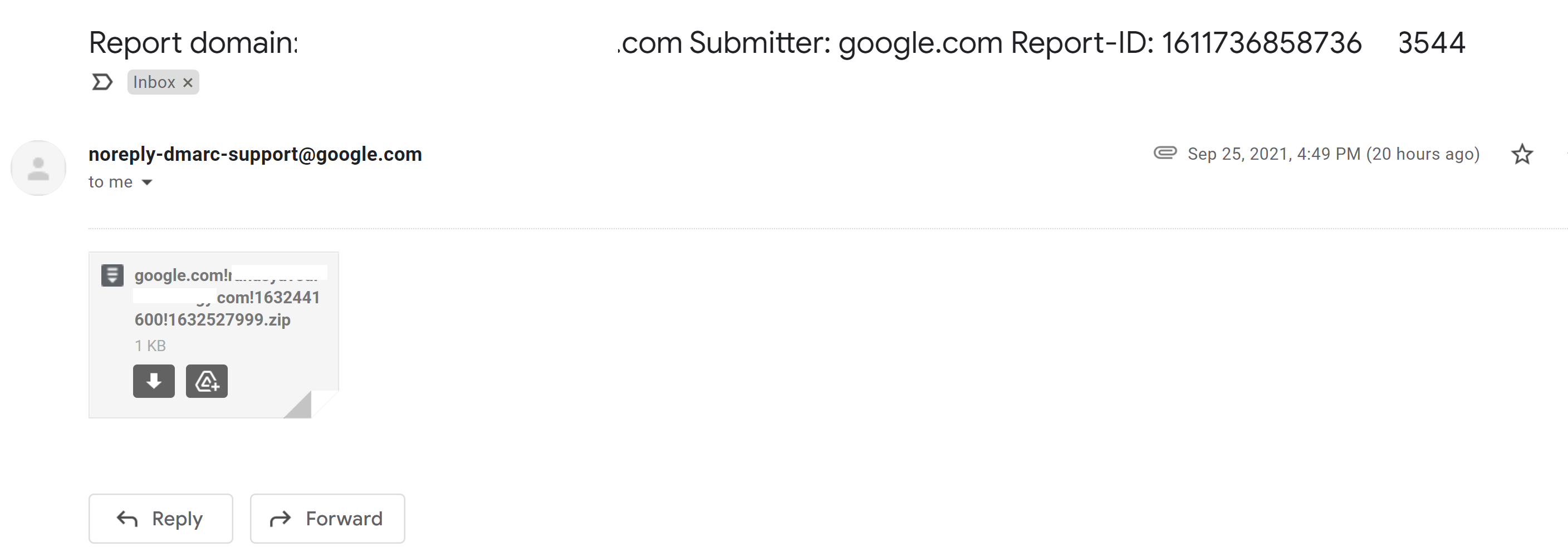
  • is my DMARC configured correctly?

    Solved Configure
    3
    2
    3 Votes
    3 Posts
    2k Views
    Hari
    @phenomlab said in is my DMARC configured correctly?: you’ll get one from every domain that receives email from yours. Today I have received another mail from outlook DMARC, i was referring to your reply again and found it very helpful/informative. thanks again. I wish sudonix 100 more great years ahead!